

Beyond 20/20: How AI and Lasers Are Redefining Eye Surgery
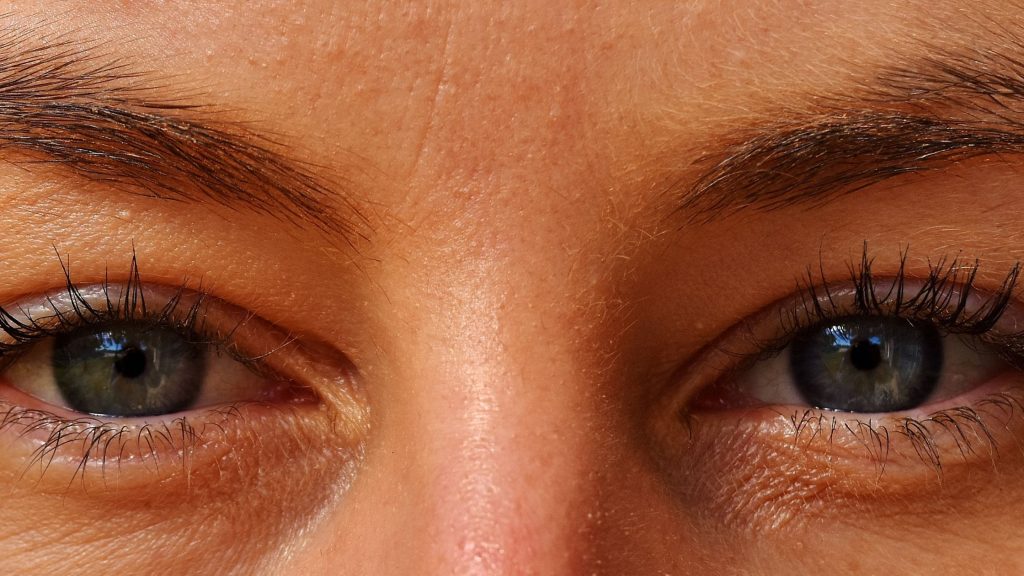
Gone are the days when eye check-ups meant only reading letters off a wall chart. Today, ophthalmology stands at the intersection of medicine and futuristic technology, where artificial intelligence predicts diseases before symptoms appear, and lasers sculpt corneas with micron-level precision. This isn’t science fiction—it’s happening right now in operating rooms and clinics worldwide.
The Silent Detective: AI in Diagnostics
The most profound shift comes from artificial intelligence. Machine learning algorithms now analyze retinal images with a consistency that surpasses human observation. They detect micro-aneurysms in diabetic patients, measure optic nerve cupping for glaucoma risk, and even flag early macular degeneration years before central vision blurs. What makes AI truly revolutionary is its ability to learn from millions of scans, spotting patterns invisible to the trained eye. For patients, this means moving from reactive treatment to preventive care—catching issues when they’re most treatable.
Lasers: From Blunt Tools to Surgical Scalpels
Laser technology has similarly evolved. The old excimer lasers reshaped corneas with good results, but today’s femtosecond lasers create flaps with bubble-free precision. In cataract surgery, laser-assisted fragmentation softens hardened lenses, reducing ultrasound energy inside the eye by up to 50%. This translates to faster healing, fewer complications, and quicker visual recovery for patients who once feared surgery.
Smart Diagnostics: The Complete Picture
Then come the smart diagnostics—OCT angiography that maps blood flow without injections, wavefront aberrometry that measures every optical irregularity, and corneal topography that creates a 3D fingerprint of the eye’s surface. Together, these tools provide a complete picture, not just a snapshot.
Why Expertise Still Matters
Yet technology is only as good as the hands guiding it. When searching for the Best Ophthalmologist in Agra, look beyond equipment lists. True expertise lies in interpreting AI outputs, customizing laser parameters, and knowing when technology serves the patient versus when clinical judgment must prevail. For retinal conditions like macular holes or diabetic tractional detachments, the Best Vitreo Retina Surgeon in Agra combines robotic precision with surgical intuition, often performing 25-gauge vitrectomies through incisions smaller than a pinprick. Ultimately, whether you need routine glasses correction or complex retinal surgery, choosing the right Eye Specialist Doctor Agra means finding someone who uses technology as a tool, not a replacement for skill. Because in the end, healing eyes isn’t about algorithms or lasers—it’s about restoring vision so patients can see their grandchildren’s smiles, read their favorite books, and navigate the world with confidence. That’s the real promise of advanced eye care.