

Is It Time for Cataract Surgery? Signs You Shouldn’t Ignore
Many patients tell me they were advised to wait until the cataract turns “ripe.” That advice is outdated. A cataract is a clouding of the natural lens inside your eye. Age is the most common cause, but diabetes, steroid use and injury can also bring it on. No drop, diet or exercise can clear it. Waiting does not make surgery easier. A very dense cataract takes longer to remove and carries slightly more risk. As an Eye Surgeon in Agra, I would rather operate while your vision is still useful and the lens is still soft.
Signs Your Vision Needs a Check
Cataracts grow slowly, so most people adapt without noticing. You use brighter lights to read. You stop driving at night. Family members often spot the change before you do. Watch for glare and halos around headlights, faded or yellow colours, and glasses that keep changing without helping. Double or ghosted vision in one eye is another sign. Any one of these deserves a dilated eye exam. It is not an emergency, but a clear picture of your eyes lets you plan surgery calmly. Some patients also have problems at the back of the eye, such as diabetic changes. As the Only Retina Specialist in Agra, I check the retina at the same visit.
How I Decide When Surgery Is Right
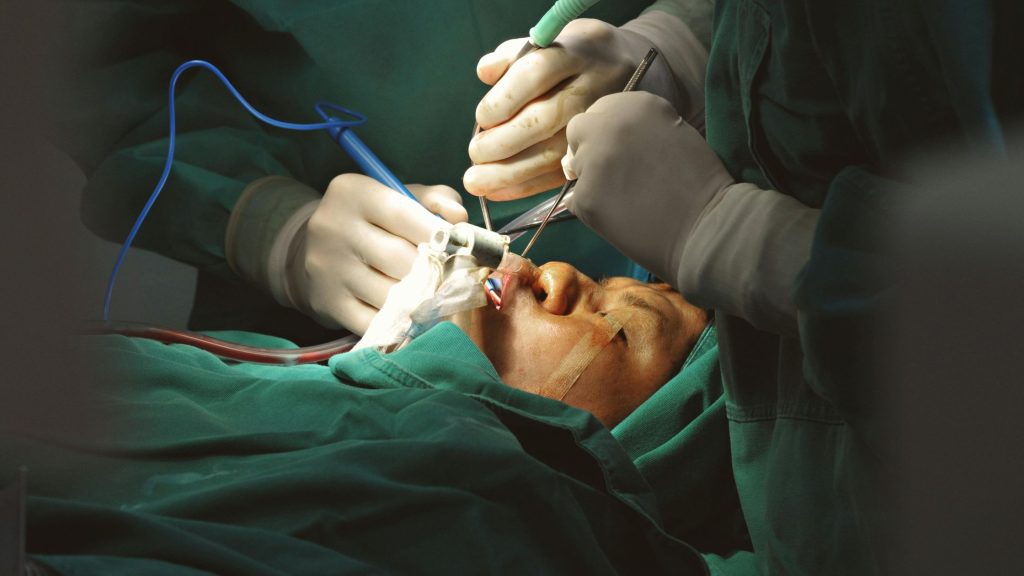
I do not go by a number on a chart. The right time is when your vision stops you from doing something you care about. That could be driving, reading, or recognising faces. If your corrected vision falls below 6/12, or glare limits you even with good chart readings, we should talk. Waiting has real costs. Poor vision raises the risk of falls and fractures, and it takes away your independence on the road. Surgery itself is a daycare procedure. It takes about 10 to 15 minutes under numbing drops, and you go home the same day.